Organic Sugarbeets from Austria: Fungicide Use and Lots of Handweeding

Organic Sugar

Organic Sugar

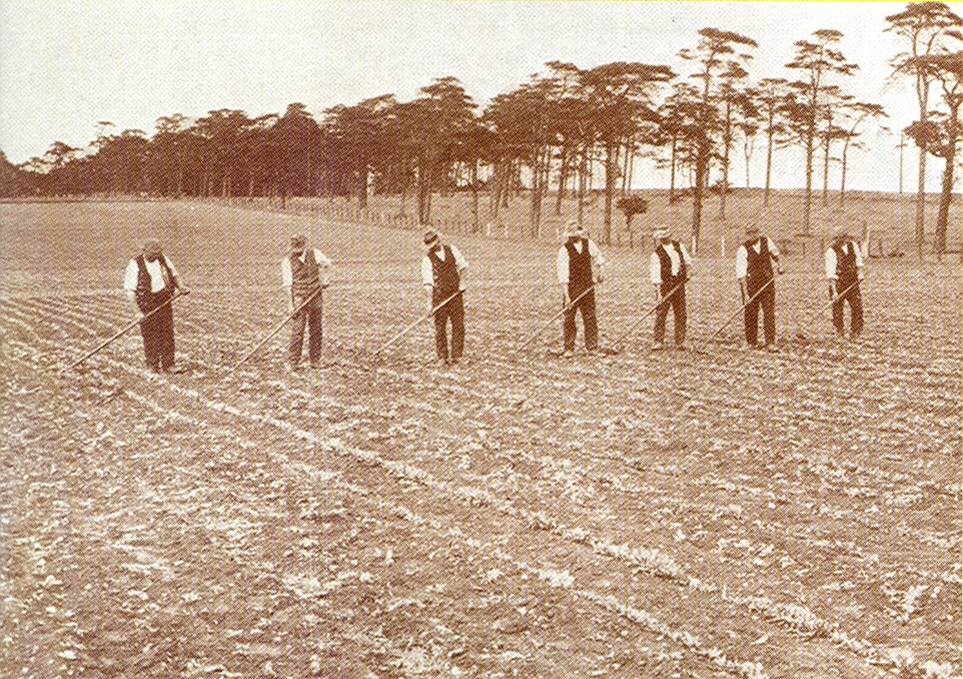
There is a retail market for organic sugar in the EU and until recently the demand was met with imports of organic sugar from Latin America. British Sugar began producing organic sugar in the UK in 2002 but abandoned the organic line because it was not commercially viable. Now, a small number of sugarbeet growers in Austria are growing organic sugarbeets. Without herbicides for weed control, these growers need an enormous amount of hand labor. For disease control, the organic growers spray copper fungicides.

“In the past organic sugar from sugar cane was imported to Europe. In 2008 AGRANA started to contract organic sugar beet… In 2008 organic sugar beet was grown by 105 farmers on 323 ha. Up to 2011 the organic beet area was increased to 913 ha and reached about 2% of the Austrian sugar beet acreage.

Weed control is a major issue in production of organic beet. Farmers are using harrows and inter row cultivators for mechanical weed control. In addition, an enormous input of hand labour is required, on average there is the need for 200 hours per hectare.

Control of Cercospora leaf spot and powdery mildew is carried out by spraying fungicides containing copper or sulfur. Normally two or three sprayings with copper products are required to control Cercospora. It is allowed to apply up to 2 kg Copper per hectare and year.”

Authors: Kempl, F., et al.
Affiliation: AGRANA Zucker GmbH.
Title: Organically grown beets? A growing segment in the Austrian sugar production.
Source: 73ed IIRB Congress. 2012. Proceedings of Papers:183-186.

African Women Farmers Are Major Beneficiaries of Herbicide Use, USAID Study Finds

Woman Weeding in Africa

Women Weeding in Africa

The burden of handweeding crop fields in Africa falls on women who spend about 50% of their time as farmers pulling weeds out by hand. This enormous amount of time for weeding prevents African women farmers from undertaking other farming activities such as the growing of cash crops. Herbicides would greatly reduce the need for weeding time and empower women to undertake other more lucrative activities.

“…the future of Malian agriculture will be increasingly determined by labor constraints. Herbicide use in Mali has doubled in the last 5 years in part in response to labor constraints and is likely to increase substancialy in the future. Herbicide use has very positive spillover effects on woman’s time and ability to work on their own crops or collect karite nuts. More extension work and agribusiness training is needed, along the lines of USAID’s IPM CRSP’s work in pesticide literacy and safety, to ensure safe and effective use of herbicides.

All labor saving technology, such as herbicide, is likely to have a gender impact not as much in women directly using it, but in it freeing up women’s time for more lucrative activities. For example increased use of herbicide would free up women’s time during the key time of year when they collect karite nuts, July-August, potentially engendering an increase in the production of karite butter and better women’s incomes.”

Author: Jeremy Foltz
Affiliation: University of Wisconsin-Madison
Title: Opportunities and investment strategies to improve food security and reduce poverty in Mali through the diffusion of improved agricultural technologies.
Source: USAID: MALI. June 16, 2010. Available at: http://purl.umn.edu/97141   

Pesticide Sprays Improve Food Safety

Cherry Fruit Fly

Cherry Fruit Fly

Plants are living, dynamic organisms that must defend themselves from bacteria, fungi and insects. Plants in nature synthesize toxic chemicals in large amounts as a primary defense against hordes of bacterial, fungal, and insect predators. Plants respond to attacks by increasing their production of self-defense chemistries. To be effective, these self-defense chemistries are often potent toxicants. The good news is that the levels of natural toxicants of food plants are very much under human control through the application of small amounts of man-made pesticides. Farmers treat crops with pesticides to reduce damage from insects and fungi. When plants do not have to fight off insects and fungi, the plants make less of the self-defense chemicals. Adding a tiny amount of synthetic pesticide reduces exposure to larger amounts of plant-produced toxic chemicals.

“An unrecognized benefit of use of crop protection chemicals is a reduced net exposure to toxicants. …crops that are stressed by competition from weeds, and from attack from infections and bugs, have increased levels of ‘natural’ pesticides. Crops protected from stress have smaller amounts of ‘natural’ pesticide. These ‘natural’ pesticides commonly are mutagenic and carcinogenic, as well as having the capability of inducing a large variety of other types of toxicities. Manufactured crop-protection chemicals are screened for mutagenicity, carcinogenicity, organ toxicity and the like, and exposure is rigorously regulated. Hence, proper use of crop-protection chemicals can cause a net reduction in toxicant exposure by reducing exposure to the potentially more hazardous and abundant ‘natural’ pesticides.”

Author: Mattsson, J. L.
Affiliation: Health and Environmental Sciences, The Dow Chemical Co.
Title: Let’s end the double standard for natural versus manufactured chemicals
Source: J Occup Health. 1996. 38:94-96.

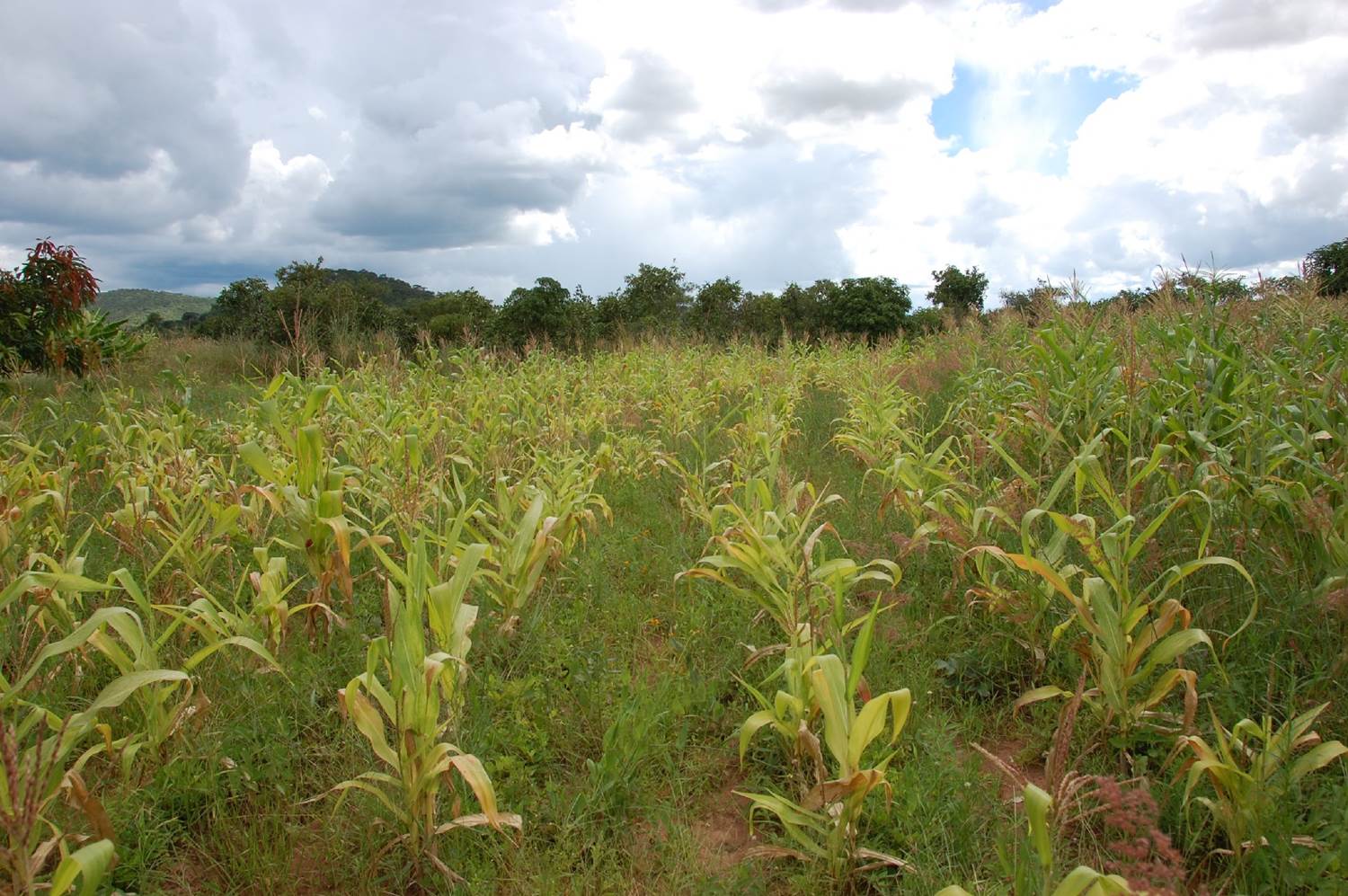
To Increase Income and Competiveness, Public Policy Should Educate African Maize Farmers About the Benefits of Using Herbicides

Weedy Maize Field: Africa

Weedy Maize Field: Africa

Maize consumption is a major source of calories for millions of people in Sub-Saharan Africa. Within the next few decades, the majority of people in Sub-Saharan Africa will be living in cities. Countries in eastern and southern Africa are increasing imports of staple foods, including maize. In order to be competitive, African farmers need to reduce the cost of producing a unit of maize. Herbicide adoption would greatly reduce costs of growing maize and lead to greater yields and farmer income and competiveness.

“Rural smallholder production remains highly labor-intensive. On average, family labor accounts for 62% of the total cost of maize production in Zambia’s small- and medium-scale farm sector. Promoting the identification and adoption of practices and technologies that save labor and/or identifying labor-productivity-enhancing technologies through research and development will therefore help to make Zambian maize more competitive and allow farmers to maintain profitability even at lower producer prices.

Although only 3% of fields had herbicides applied, regression results suggest the benefits of its use are quite high. All else equal, applying herbicides increases gross margin between ZMK 363,700 to ZMK 376,300 per hectare planted… The magnitude of this effect is fairly large compared to the national average margin of ZMK 1,108,542 (in other words, at the mean, herbicide use would increase gross margins by roughly a third). …these results indicate that public policy measure should be considered to educate farmers about the benefits of herbicide application, as its contribution to smallholder income growth and regional competitiveness may be comparable to and highly synergistic with increased fertilizer use.”

Authors: Burke, W. J., et al.
Affiliation: Zambia Food Security Research Project (FSRP)
Title: The cost of maize production by smallholder farmers in Zambia
Source: Food Security Research Project. Working Paper 50. March 2011. Available at: http://www.aec.msu.edu/agecon/fs2/zambia/index.htm 

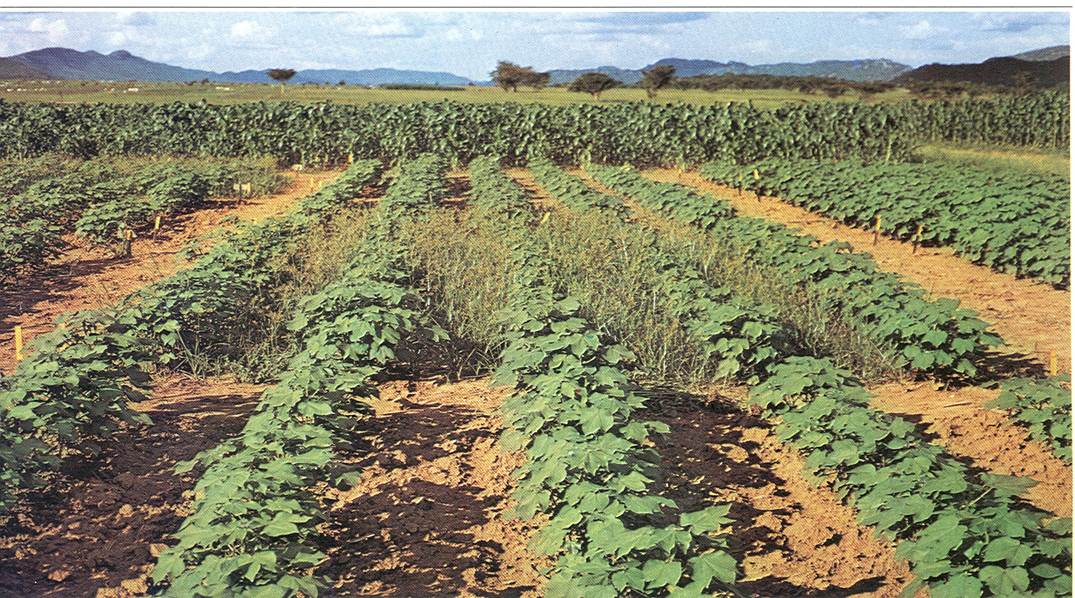
Herbicide Use on Cotton Farms Could Greatly Increase Income of Farm Families in Africa

African Cotton Herbicide Experiment

African Cotton Herbicide Experiment

The income of family farms growing cotton in Africa is low largely due to the small size of farms- about one hectare. A major reason that farm size is small is because fields are weeded by hand and there usually is not enough family labor to weed more than one hectare. With use of herbicides, the need for labor is reduced dramatically and individual cotton farms would be able to significantly increase their acreage and incomes.

“Under rainfed agricultural production, common throughout most of Africa, labor bottlenecks at planting and weeding times often critically constrain farm output. During the four to six week period following the first rains, farmers must prepare their soil, plant and conduct the critical first weeding.

Under these circumstances, early season labor constraints, particularly during the first weeding, set an upper bound on the cropped area a family can manage using only household labor. For the average farm household in central Zambia, with five family members, peak-season labor bottlenecks limit the area they can cultivate under conventional hand hoe tillage to about 1 hectare.

In Zambia, herbicide application, instead of weeding with a hand hoe, cuts peak season labor requirements in half.

When combined with dry season land preparation, this reduction in peak season labor requirements enables farm households to crop 2.7 hectares of land under hand hoe cultivation using only household labor. As a result, hand hoe farmers can increase their income from these three crops to 2.9 million Kwacha ($620) per year, triple what they can earn under conventional hand hoe agriculture…

This suggests that cotton company inclusion and financing of one round of herbicides in their cotton packs could potentially raise cotton production and household income considerably.”

Authors: Steven Haggblade and Christina Plerhoples
Affiliations: Department of Agricultural Food and Resource Economics at Michigan State University
Title: Productivity impact of conservation farming on smallholder cotton farmers in Zambia
Source: Food Security Research Project. Working Paper 47. July 2010. Available at: http://www.aec.msu.edu/agecon/fs2/zambia/index.htm 

Ebenezer Scrooge Returns as an Organic Ag Advocate

Ebenezer Scrooge

Ebenezer Scrooge

Hand Weeding

Hand Weeding

Dickens’ fictional character Ebenezer Scrooge believed that young people should work. By not working, he considered the unemployed as “surplus population.” Organic farms require more labor particularly for jobs such as weeding fields by hand since herbicides are not used. Recently, an organic ag advocate in the UK invoked the name of Ebenezer Scrooge to explain how organic ag could make use of the current “surplus population” by putting the unemployed to work in the organic fields.

“Yet if Britain practiced Enlightened Agriculture based on small, mixed, quasi-organic farms we could easily be self-reliant in food. We could also employ all of the three million who are now unemployed, including or perhaps especially the one million unemployed under-25s, in jobs far better than the shelf-stacking and mail-order cold-calling that are now on offer. Instead we produce only about half our food while politicians wring their hands over what Ebenezer Scrooge in a remarkably similar economy called “the surplus population” who alas are left on the sidelines.”

Author: Colin Tudge
Affiliation: Writer
Title: Enlightened agriculture a people’s takeover of the food supply
Source: Food Ethics. Summer 2012. Volume 7; Issue 2. Available at: www.foodethicscouncil.org

California Alfalfa Production Would be One Million Tons Lower with Conversion to Organic Practices

Alfalfa Weevil on Damaged Leaf

Alfalfa Weevil on Damaged Leaf

California is the #1 dairy state in the U.S. and one million acres of alfalfa are grown in the state. Alfalfa growers use herbicides to control weeds and insecticides to control key pests-the Egyptian and alfalfa weevils. Organic alfalfa growers do not have effective methods of controlling weeds and insect pests and they incur yield losses – particularly by harvesting early to avoid damage. A recent economic analysis from the University of California estimated that organic production of alfalfa is one ton less per acre which would mean a loss of one million tons of alfalfa if the entire state converted to organic practices.

“The Egyptian and alfalfa weevils are the most serious pests of alfalfa, causing yield and quality losses to the first harvest in late winter/early spring.

Most organic growers rely on early harvest to minimize weevil damage, but yields will be reduced.

The risks associated with the production of organic alfalfa hay should not be minimized. Weather and other risks are a continual concern for conventional growers, but organic growers face additional risks such as pest outbreaks that cannot be adequately controlled with organic methods.

Average annual yields in California range from 5.0 to 10 tons per acre with three to ten cuttings depending on location and alfalfa variety. Eight tons per acre over seven cuttings per year is common in the Central Valley. The crop in this study is assumed to yield 7.0 tons of hay per acre because yields of organic alfalfa are often slightly lower than conventional due to only partial control of many pests and weeds and the difficulty meeting the nutritional needs of alfalfa using solely organic sources.”

Authors: Rachael F. Long, et al.
Affiliation: US Cooperative Extension Farm Advisor, Yolo, Solano & Sacramento Counties
Title: Sample costs to establish and produce organic alfalfa hay California 2013
Source: University of California Cooperative Extension. 2013.

California Avocado Production Would be 82 million Pounds Lower with Conversion to Organic Practices

New Orchard Weeds

New Orchard Weeds

California farmers produce 550 million pounds of avocados annually. 8% of the avocado acres are managed with organic production practices. A recent economic analysis by the University of California shows why so few avocado acres are organic. Even though organic avocados receive a price premium, lower yields (15% lower) means lower profits than avocados grown with chemical inputs. The 15% lower yields would mean a loss of 82 million pounds of avocados if all the California avocado growers switched to organic practices. Weeds are the biggest problem for organic avocado growers.

“Profitability estimate of organic avocados in these counties is lower than avocados produced conventionally. Though organic avocados are considered to receive $0.20 more per pound than conventional avocados, organic avocado production shows lower yield than the conventional production.

Based on our discussions with growers and the UCCE farm advisor, organic yield is considered lower than the conventional production. In this study, organic avocado yield is estimated at 15% lower than the conventional yield.”

Author: Etaferahu Takele, et al.
Affiliation: Area Farm Advisor, Agricultural Economics/Farm Management, University of California Cooperative Extension (UCCE) Southern California
Title: Avocado sample establishment and production costs and profitability analysis san diego and riverside counties, 2011 organic production practices
Source: University of California Cooperative Extension. 2013.

IITA Recommends Herbicides for West African Farmers

Laborers Hand-Weeding

Laborers Hand-Weeding

The International Institute for Tropical Agriculture (IITA) located in Ibadan, Nigeria has been conducting weed control research since its founding in 1967. For many years, the research focused on “low-input” non-chemical methods of controlling weeds. However, the “low-input” methods were never widely-adopted by African farmers who resorted to the centuries-old practice of handweeding their fields. IITA considers handweeding not to be sustainable and recommends that West African farmers use herbicides to control weeds in maize fields.

“Although manual weeding is an age-old practice in West Africa, it is no longer sustainable because of high labor costs and the aging farming population. Judicious use of herbicides is recommended to control weeds effectively and increase maize productivity. We normally recommend the use of postemergence herbicides to kill weeds before land preparation and planting.”

Author: Alpha Y. Kamara
Affiliation: Reporter
Title: Best practices for maize production in the West African savannas
Source: IITA, R4D Review. Issue 9. September 2012.

National Academy of Sciences Credits Herbicides for Adoption of Conservation Measures in the U.S

Tillage vs. Herbicides

Tillage vs. Herbicides

In the early 20th century, American farmland was eroding at an alarming rate. The cause of this erosion was continuous plowing of fields to keep weeds out. When herbicides were introduced to control weeds, farmers could reduce tillage. As a result, there have been major reductions in soil erosion in the United States. The National Academy of Sciences has pointed out that this improvement in conserving the soil would not have occurred had it not been for herbicides…..

“The use of herbicides has reduced the need for growers to cultivate to control weeds and that reduction has led to an increase in the practices associated with conservation tillage. These include no-till, ridge-till, strip-till, and mulch-till—practices that leave at least 30% cover after planting. Leaving cover after planting reduces soil loss due to wind and water erosion up to 90%, and it increases crop residue (organic matter) on the soil surfaces up to 40%. Conservation tillage in the United States has increased from 26.1% of the total acreage in 1990 to 37.2% of the total acreage in 1998. Without herbicides, widespread adoption of conservation tillage would likely not have taken place.”

Author: Committee on the Future Role of Pesticides in US Agriculture
Affiliation: National Research Council
Title: The future role of pesticides in US agriculture
Source: Board on Agriculture and Natural Resources and Board on Environmental Studies and Toxicology Commission on Life Sciences. 2000.